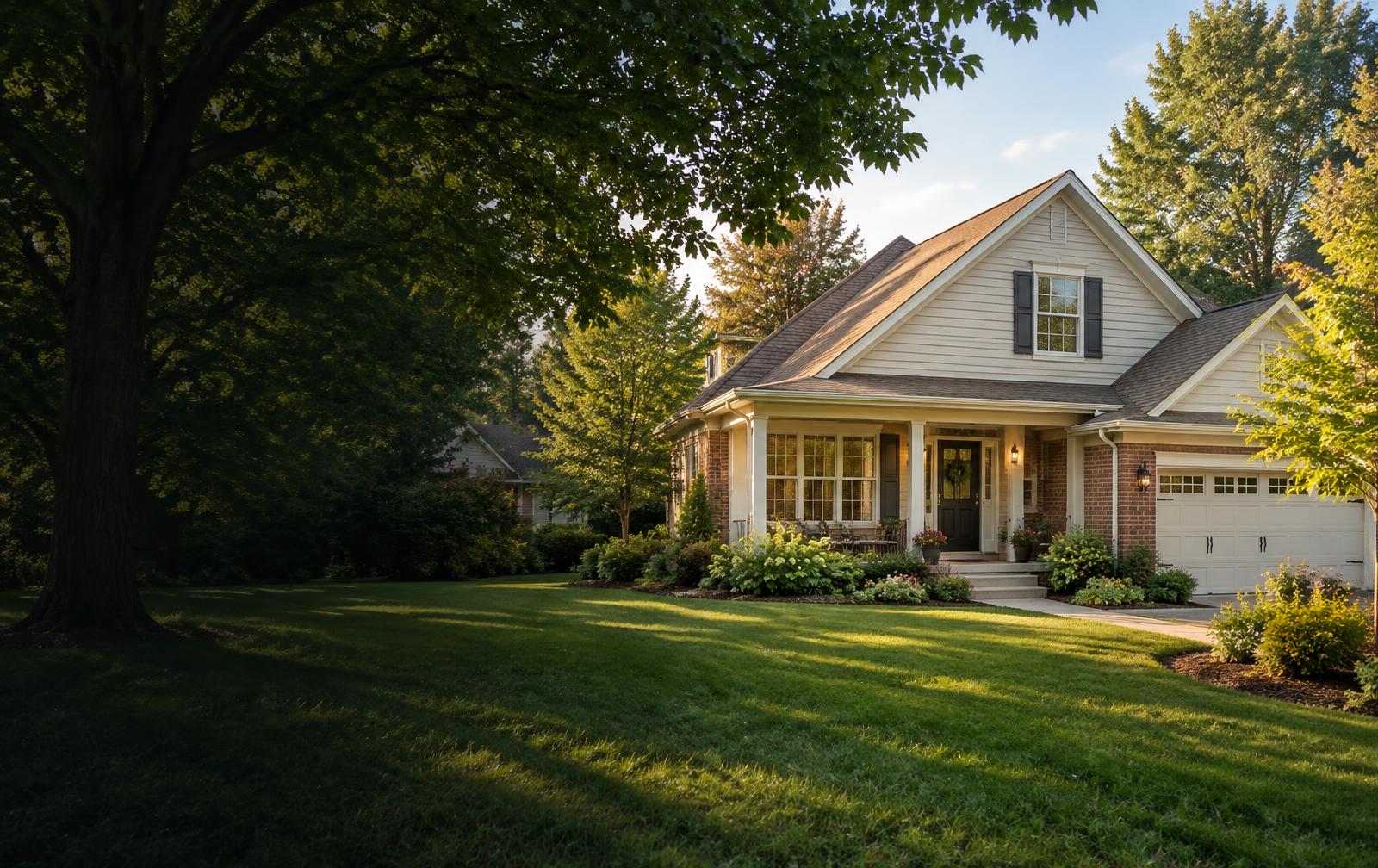
New construction and existing homes can both be great choices—but they come with different questions.
Buyers sometimes assume a new home means fewer problems, while an existing home automatically means more maintenance. Neither assumption tells the whole story.
A new home gives you the opportunity to buy something that hasn't been lived in, often with newer systems, current finishes and builder warranties. An existing home may offer an established neighborhood, mature landscaping, known operating history and features that would cost considerably more to reproduce today.
The important question isn't simply, “Which one is better?”
It's “Which one makes the most sense for me—and what do I need to understand before I buy it?”
1. New construction: Know what you're actually getting
Walking through a model home can make it easy to imagine yourself living there. But the model may include upgrades, options and finishes that aren't included in the home's base price.
Before comparing a new home with an existing one, understand exactly what is standard and what costs extra.
Ask about flooring, countertops, cabinets, appliances, lighting, landscaping, fencing, window coverings, technology packages and other features that matter to you.
Also understand the construction timeline, inspection opportunities, final walkthrough process and builder warranty.
What to do: Ask for the standard-features list and available upgrades in writing. Build your comparison using the home you would actually purchase—not simply the model you toured.
2. Existing homes: Look beyond what you can see
An existing home gives you something new construction can't: history.
That history can be valuable if you know how to use it.
Ask about the age and condition of major systems such as the roof, HVAC equipment, water heater, electrical components and plumbing. Review available disclosures and documentation, and use an appropriate independent inspection as part of your evaluation.
Cosmetic updates can be relatively easy to see. Expensive systems hidden behind walls, above ceilings or outside your immediate view deserve just as much attention.
What to do: Don't evaluate an existing home only by the kitchen, flooring and paint. Learn the approximate age and condition of major systems and consider potential future replacement costs.
3. Compare the cost of ownership—not just the purchase price
Two similarly priced homes can have very different ownership costs.
Consider property taxes, homeowners insurance, HOA assessments, utilities, maintenance, commuting costs and anticipated repairs or improvements.
With new construction, also consider upgrades and items you may need after closing such as window treatments, landscaping, fencing or appliances if they aren't included.
With an existing home, consider whether major systems may need repair or replacement during the first several years you own it.
What to do: Create a realistic first-year and five-year ownership estimate for each home you're seriously considering. Purchase price is only one part of what the house may cost you.
4. Think about the neighborhood too
You're not only buying a house. You're choosing where you'll live.
Existing neighborhoods may give you a clearer picture of traffic, landscaping, nearby development and how the community has matured.
A new development may continue changing for years as homes, roads, schools, businesses and amenities are completed.
Neither is automatically better. They're simply different situations that deserve different questions.
What to do: Visit the neighborhood at different times of day. Look beyond the property itself and consider traffic, nearby development, amenities and anything else likely to affect your everyday experience.
The bigger lesson
Don't let the words “new” or “existing” make the decision for you.
A new home can still require careful inspection and good documentation. An existing home can be an excellent purchase when you understand its condition and future needs.
Compare what you're actually getting, understand the long-term costs and ask questions before emotion takes over.
Anticipate. Ask. Document. Verify.
New construction vs. existing home: 6 things to compare
- Actual purchase price after upgrades
- Age and condition of major home systems
- Expected maintenance and repair costs
- Property taxes, insurance and HOA costs
- Neighborhood and future development
- Inspection, warranty and documentation available
Don't compare houses by price alone. Compare what ownership will actually look like.
Home issues can vary. When a situation calls for professional help, consult an appropriately licensed professional.