Small maintenance problems rarely stay small forever.
One of the easiest mistakes homeowners make is waiting until something stops working before paying attention to it. A slow leak, clogged drain, dirty filter, loose connection or unusual sound may seem minor today but can become a much more expensive problem if ignored.
Preventive maintenance doesn't guarantee that something won't eventually need repair or replacement. It simply gives you a better chance of finding problems while they're still manageable.
Here are three habits worth building into the way you care for your home.
1. Check for small water leaks regularly
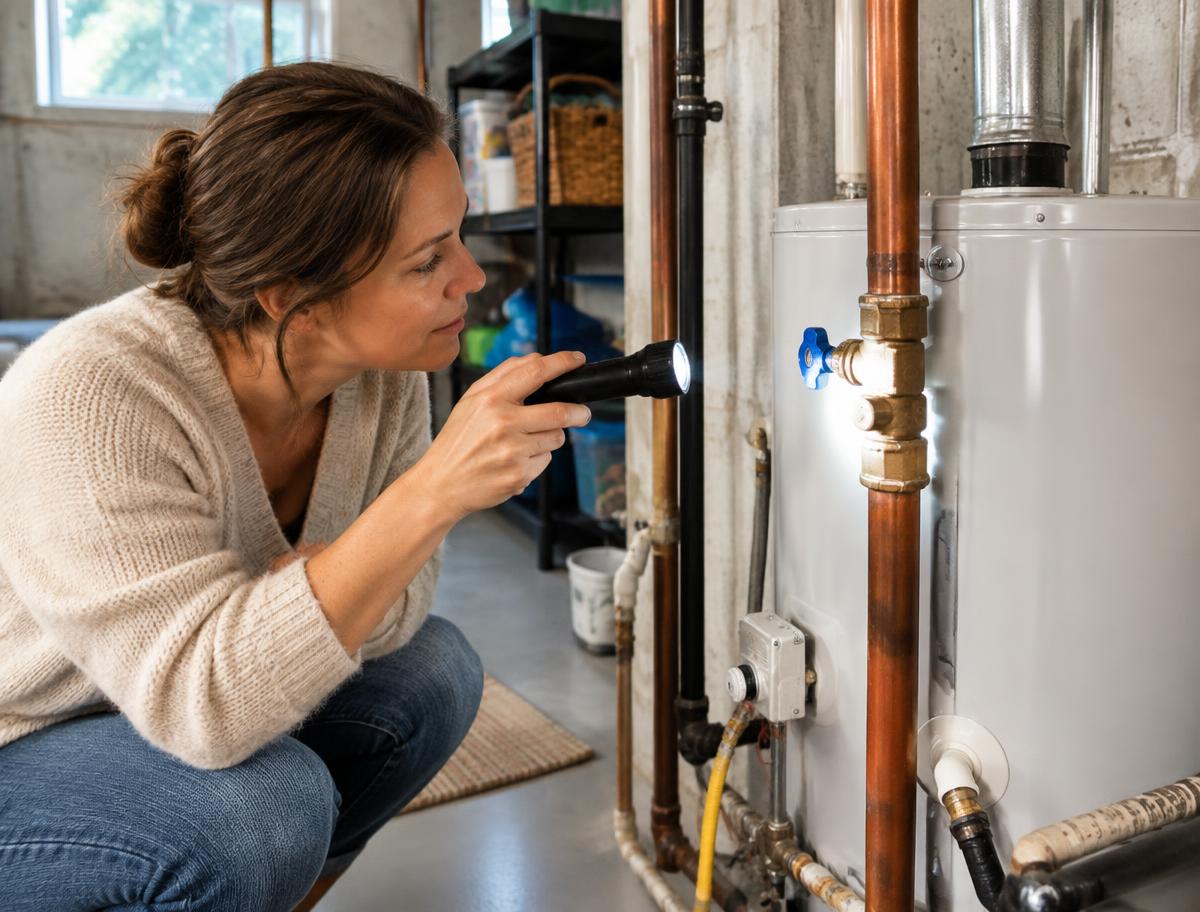
Water can cause significant damage before a homeowner realizes there's a problem. Take a few minutes periodically to look underneath sinks, around toilets, near your water heater, around washing-machine connections and anywhere else water enters or leaves your home.
Look for moisture, discoloration, corrosion, warped materials, musty odors or anything else that wasn't there before.
A small drip may not seem urgent, but water that continues reaching cabinets, flooring, drywall or framing can turn a relatively simple repair into a much larger project.
What to do: Make a quick visual leak inspection part of your normal home-maintenance routine. If you find unexplained moisture or an active leak you cannot safely identify or correct, contact an appropriately licensed professional.
2. Pay attention to what your home is telling you
Homes often give you warning signs before something completely fails.
A toilet that suddenly runs more often, an HVAC system that sounds different, a circuit breaker that repeatedly trips, water pressure that changes, a new stain on the ceiling or an appliance that begins behaving differently can all be reasons to investigate.
The goal isn't to assume every unusual sound or mark is an emergency. It's to notice changes instead of automatically ignoring them.
Knowing what's normal for your home makes it easier to recognize when something isn't.
What to do: When you notice something unusual, make a note of when it started and whether it is getting worse. Photos can also help you determine whether a condition is changing over time.
3. Give your water heater a little attention
The water heater is easy to forget because it may sit quietly in a garage, closet, attic or utility room for years.
Periodically look around the unit and nearby plumbing for signs of moisture, corrosion, rust or other visible changes. Know approximately how old the unit is and where its water shutoff is located.
Manufacturer-recommended maintenance can vary by water-heater type and model, so follow the instructions provided for your particular equipment. If you're unsure about servicing the unit—or notice leaking, corrosion or other concerning conditions—have a qualified professional evaluate it.
What to do: Locate your water heater, record its approximate age and model information, and review the manufacturer's recommended maintenance schedule. Don't wait until there's water on the floor to learn where everything is.
The bigger lesson
Preventive maintenance isn't about becoming an expert in plumbing, electrical work, HVAC or every system in your house.
It's about paying attention.
A few minutes spent looking, listening and documenting changes can help you identify problems earlier, make better decisions and know when it's time to call someone who does have the expertise.
That's part of owning smarter: Anticipate. Ask. Document. Verify.
5 quick things to check around your home
- Look underneath sinks for moisture or staining
- Check around toilets and visible plumbing connections
- Look around your water heater for moisture or corrosion
- Notice unusual HVAC sounds, smells or performance changes
- Look for new stains, cracks or other changes around the home
Small changes are easier to deal with when you notice them early.
Home issues can vary. When a situation calls for professional help, consult an appropriately licensed professional.