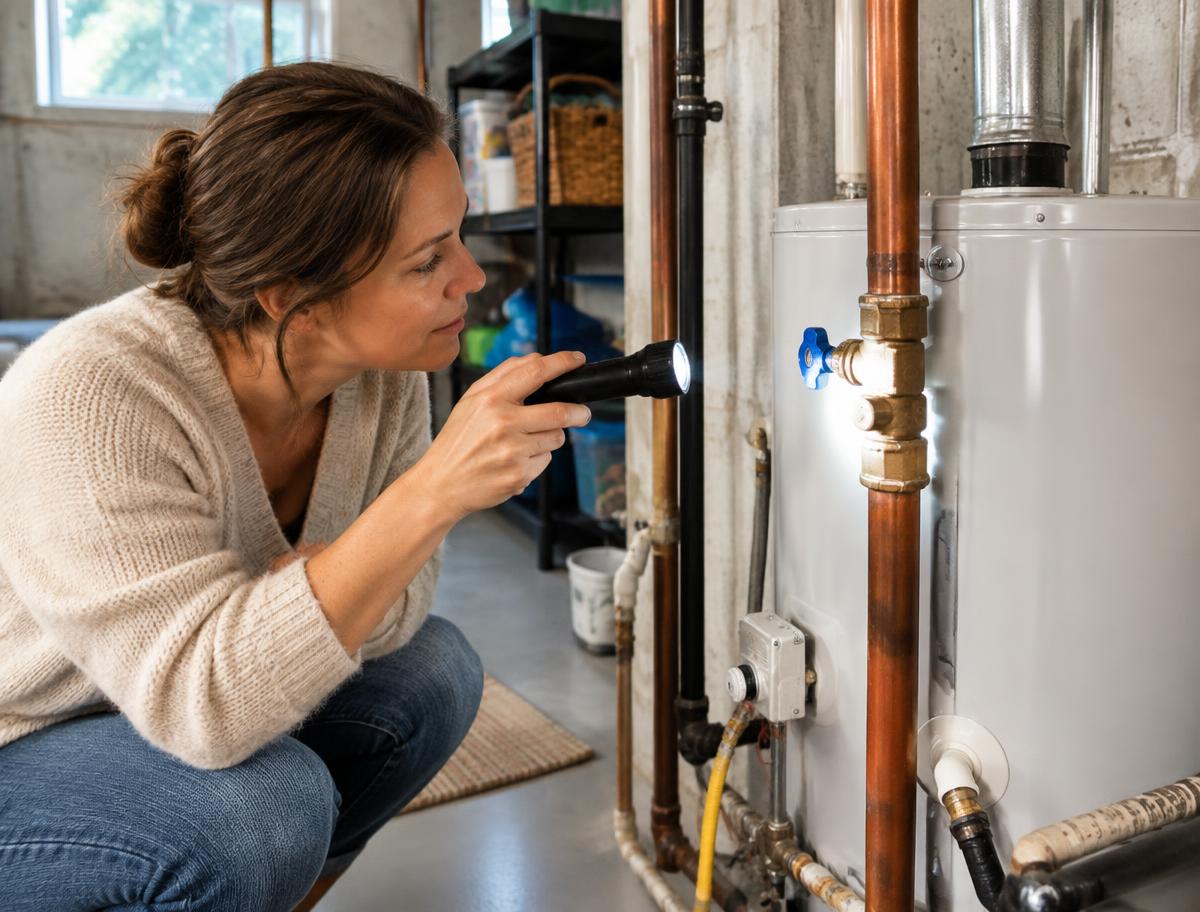
Your water heater is easy to forget when everything is working.
You turn on the faucet, hot water comes out, and you move on with your day.
But a water heater is a working piece of equipment that holds or heats water every day. Like other major systems in your home, its condition can change over time.
Paying a little attention to it doesn't mean you can prevent every failure. It can, however, help you understand your equipment, recognize potential warning signs and respond before a small issue becomes a bigger one.
Here are four things every homeowner should know about their water heater.
1. Know how old your water heater is
If you don't know approximately how old your water heater is, start there.
Look for the manufacturer's label containing the model and serial number. Depending on the manufacturer, the serial number may help identify when the unit was made. Installation paperwork or previous homeowner records may also provide useful information.
Age alone doesn't tell you exactly when a water heater will need replacement. Different types, installation conditions, water quality, usage and maintenance can all affect service life.
But knowing the age gives you useful context when you're evaluating changes in performance or deciding whether to repair or replace the unit.
What to do: Photograph the manufacturer's label and keep the model, serial number and approximate installation date with your home records.
2. Look around it before there's a leak
You don't need to disassemble anything to perform a basic visual check.
Periodically look around the water heater and nearby plumbing. Pay attention to unexpected moisture, corrosion, rust, staining or other visible changes.
Also look at the area around the unit. If water escaped, where would it go? A leak in a garage may create a very different situation from a leak in an attic, closet or finished portion of the house.
If you see active leaking, significant corrosion or anything you aren't comfortable evaluating, contact a qualified professional.
What to do: Make the water heater part of your normal visual home-maintenance routine rather than something you only visit when the hot water stops.
3. Know where the water shutoff is
The middle of a leak is a bad time to start figuring out how your plumbing works.
Homeowners should know where the appropriate water shutoff is located and understand how water can be stopped in an emergency.
Depending on the home's plumbing and water-heater installation, the exact configuration can vary. If you aren't sure which valve controls what, have a qualified professional show you rather than experimenting during an emergency.
It's also worth knowing the location of your home's main water shutoff.
What to do: Identify your water-heater shutoff and main household water shutoff before you need either one. Make sure other responsible members of the household know where they are too.
4. Follow the maintenance instructions for your equipment
Water heaters aren't all the same.
Maintenance recommendations can differ between conventional tank, tankless, heat-pump and other water-heating systems. Manufacturer instructions may also differ by model.
That's why generic internet advice shouldn't automatically replace the instructions for the equipment installed in your home.
Find the owner's manual or manufacturer's guidance for your particular unit and understand what maintenance is recommended and how often.
Some maintenance should be performed by a qualified professional, particularly when you're dealing with gas, electricity, pressure, hot water or procedures you're not trained or comfortable performing.
What to do: Use the model information you recorded to locate the manufacturer's maintenance guidance. If you're unsure how to safely perform recommended service, hire an appropriately qualified professional.
The bigger lesson
Home maintenance isn't about predicting the exact day something will fail.
It's about knowing what you own, paying attention to changes and being prepared to respond when something isn't right.
Your water heater is a good example. Learn its age. Know where the shutoffs are. Look at it periodically. Keep its information documented.
A few minutes spent understanding your equipment today can make a stressful situation much easier to handle later.
Anticipate. Ask. Document. Verify.
Know your water heater before you need to
- Photograph the manufacturer label
- Record the model and serial number
- Determine the approximate age
- Locate the water shutoff
- Locate your home's main water shutoff
- Review the manufacturer's maintenance guidance
- Periodically check for moisture, corrosion or other changes
The best time to learn about your water heater is before something goes wrong.
Home issues can vary. When a situation calls for professional help, consult an appropriately licensed professional.